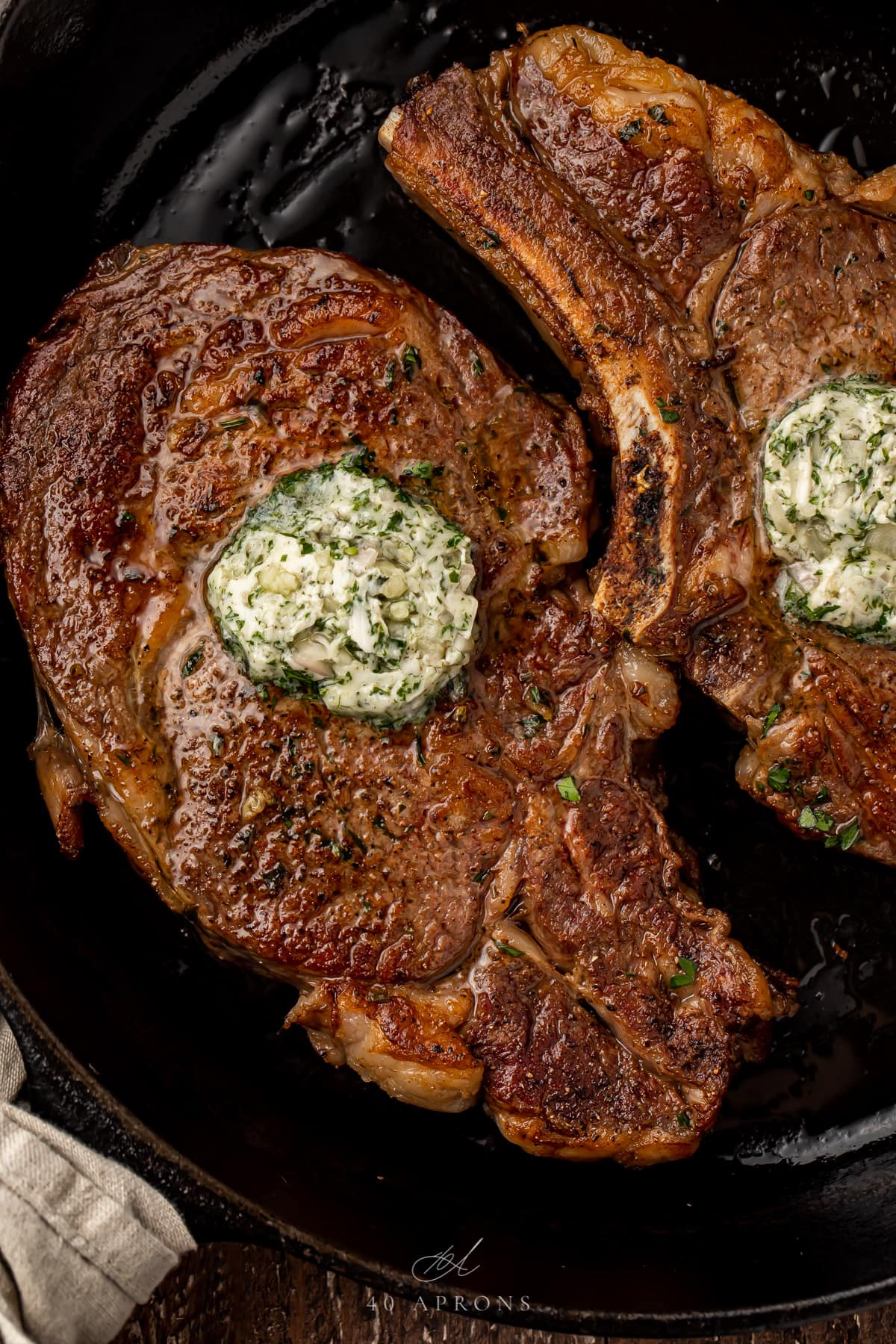
Unlock Ribeye's Best: Simple Steps for a Flavorful, Juicy Steak
There's a reason the Ribeye Steak holds a special place in the hearts of steak lovers everywhere. Its rich, beefy flavor and unparalleled juiciness make it a standout cut. But cooking a restaurant-quality ribeye at home can seem daunting. Fear not! With a few simple techniques and minimal ingredients, you can consistently achieve a perfectly cooked ribeye with a beautiful golden crust and a tender, succulent interior – rivaling any steakhouse experience. The secret to unlocking the full potential of this magnificent cut often lies in high-heat cooking methods, with pan-searing leading the charge. This approach quickly caramelizes the exterior, locking in moisture and building incredible flavor from the very first sizzle. Whether you're aiming to impress guests or simply treat yourself to an extraordinary meal, mastering the pan-seared ribeye is a skill that will pay dividends in deliciousness.Why Ribeye Steak Reigns Supreme for Flavor and Juiciness
The ribeye's reputation as a premium steak is well-earned, primarily due to its distinct characteristics that contribute to its exceptional flavor and texture. Cut from the primal rib section of the cow, the ribeye is celebrated for its abundant marbling – those exquisite thin streaks of fat woven throughout the muscle. * Exceptional Marbling: This intrinsic marbling is the ribeye's superpower. During cooking, this fat slowly renders, melting into the meat and basting it from within. This natural process is what infuses every bite with that signature buttery richness and keeps the steak incredibly moist and tender. It’s this very quality that makes the ribeye so forgiving and perfect for high-heat cooking methods like pan-searing, where the fat can beautifully caramelize and crisp. * Rich Beefy Flavor: Beyond juiciness, the ribeye boasts a robust, intense beef flavor that truly stands out. Its muscle structure, particularly from the longissimus dorsi muscle, contributes to a tender yet substantial texture that holds up well to bold seasonings and cooking techniques. * Versatility in Cooking: While pan-searing is often touted as the ideal method, ribeye also performs beautifully on the grill or even with a sear-to-oven method for thicker cuts, ensuring a consistent internal temperature while maintaining that desirable crust. This versatility further cements its status as a top-tier steak. When selecting your ribeye, aim for a well-marbled boneless cut, ideally between 12 to 16 ounces, and about 1 to 1.5 inches thick for optimal results. USDA Prime grade ribeyes will offer the most intense marbling, though Choice grade often provides an excellent balance of quality and value.Essential Ingredients & Preparations for Your Best Ribeye
One of the beautiful things about cooking a truly great ribeye is that it doesn't require a long list of exotic ingredients. The natural quality of the meat should be the star, complemented by simple additions that enhance, rather than overpower, its flavor.The Foundation:
- Ribeye Steak: As discussed, a well-marbled boneless ribeye is paramount. Allow your steak to come to room temperature for at least 30-60 minutes before cooking. This ensures more even cooking from edge to edge.
- Coarse Salt & Freshly Cracked Black Pepper: These are your best friends. Don't be shy with the seasoning! A generous application of coarse salt (like kosher salt) not only seasons the meat but also helps to draw out moisture, contributing to a better crust. Freshly cracked black pepper adds a pungent aroma and flavor that complements beef wonderfully.
The Searing Agents:
- High Smoke-Point Oil: To achieve that perfect golden-brown, caramelized crust, you need an oil that can withstand intense heat without burning. Avocado, canola, grapeseed, or vegetable oil are excellent choices. A thin layer is all you need to coat the pan.
- Butter: For the ultimate finish, a knob of unsalted butter added towards the end of cooking (especially for basting) will imbue your ribeye with a rich, nutty flavor and contribute to an even more tender texture.
Aromatic Enhancements (Optional but Recommended):
- Garlic Cloves: Lightly smashed garlic cloves tossed into the pan with the butter will infuse the steak with a delightful aroma.
- Fresh Herbs: Sprigs of fresh thyme or rosemary are classic choices. Like garlic, they release their essential oils into the butter, creating an aromatic bath for your steak.
- Shallot: A halved or quartered shallot can add a subtle oniony sweetness and depth. If unavailable, a small piece of red onion works as a substitute.
Preparation is Key:
Before you even think about heating your pan, there's one crucial step:Pat Your Steak Dry: Use paper towels to thoroughly pat both sides of your ribeye steak dry. Any surface moisture will hinder the searing process, steaming the meat instead of allowing a crispy crust to form. A dry surface is critical for the Maillard reaction – the chemical reaction responsible for that irresistible browned, flavorful crust.
Step-by-Step Guide to a Flawless Pan-Seared Ribeye
With your ingredients ready and your steak at room temperature and dry, you're just minutes away from a show-stopping meal. This method emphasizes high heat and careful timing to achieve a steakhouse-quality finish.1. Season Liberally:
Once your ribeye is completely dry, season it generously on both sides with coarse salt and freshly cracked black pepper. Don't forget the edges! Press the seasoning gently into the meat to ensure it adheres.
2. Heat the Pan:
Place a heavy-bottomed skillet (cast iron is ideal for its heat retention) over high heat. Add a thin layer of high smoke-point oil. Heat the pan until the oil begins to shimmer and lightly smoke. This indicates it’s hot enough to create that instant sear.
3. Sear the First Side:
Carefully place the seasoned ribeye steak into the hot pan. Reduce the heat slightly to medium-high. Resist the urge to move it! Leave the steak undisturbed for a full 1 to 2 minutes (depending on thickness and desired crust). This crucial step allows a beautiful, caramelized crust to form. After this initial sear, gently move the steak around the pan for another 30 seconds to 1 minute, ensuring even browning.
4. Flip and Repeat:
Flip the steak to the other side and repeat the process: sear undisturbed for 1 to 2 minutes, then move it around for another 30 seconds to 1 minute. For thicker cuts (1.5 inches or more), you may want to sear the edges by holding the steak with tongs for 30-60 seconds per edge.
5. Add Aromatics and Butter (Optional Basting):
Once both sides have developed a good crust (typically around 4-6 minutes total searing time for medium-rare), add 2-3 tablespoons of butter, along with your smashed garlic cloves, fresh herbs, and/or shallots, to the pan. As the butter melts and foams, tilt the pan slightly and, using a spoon, continuously baste the melted butter and aromatics over the steak for another 1-2 minutes. This step dramatically enhances flavor and moisture.
6. Check for Doneness & Rest:
For accurate results, use an instant-read meat thermometer. Insert it into the thickest part of the steak, away from any bone or fat. Remove the steak from the pan when it's about 5 degrees below your desired final temperature, as it will continue to cook while resting (carryover cooking).
- Rare: 120-125°F (remove at 115-120°F)
- Medium-Rare: 130-135°F (remove at 125-130°F)
- Medium: 135-140°F (remove at 130-135°F)
- Medium-Well: 145-150°F (remove at 140-145°F)
Transfer the steak to a cutting board and allow it to rest for at least 5-10 minutes before slicing. This allows the juices to redistribute throughout the meat, ensuring maximum tenderness and juiciness. Skipping this step is a common mistake that can lead to a dry steak.