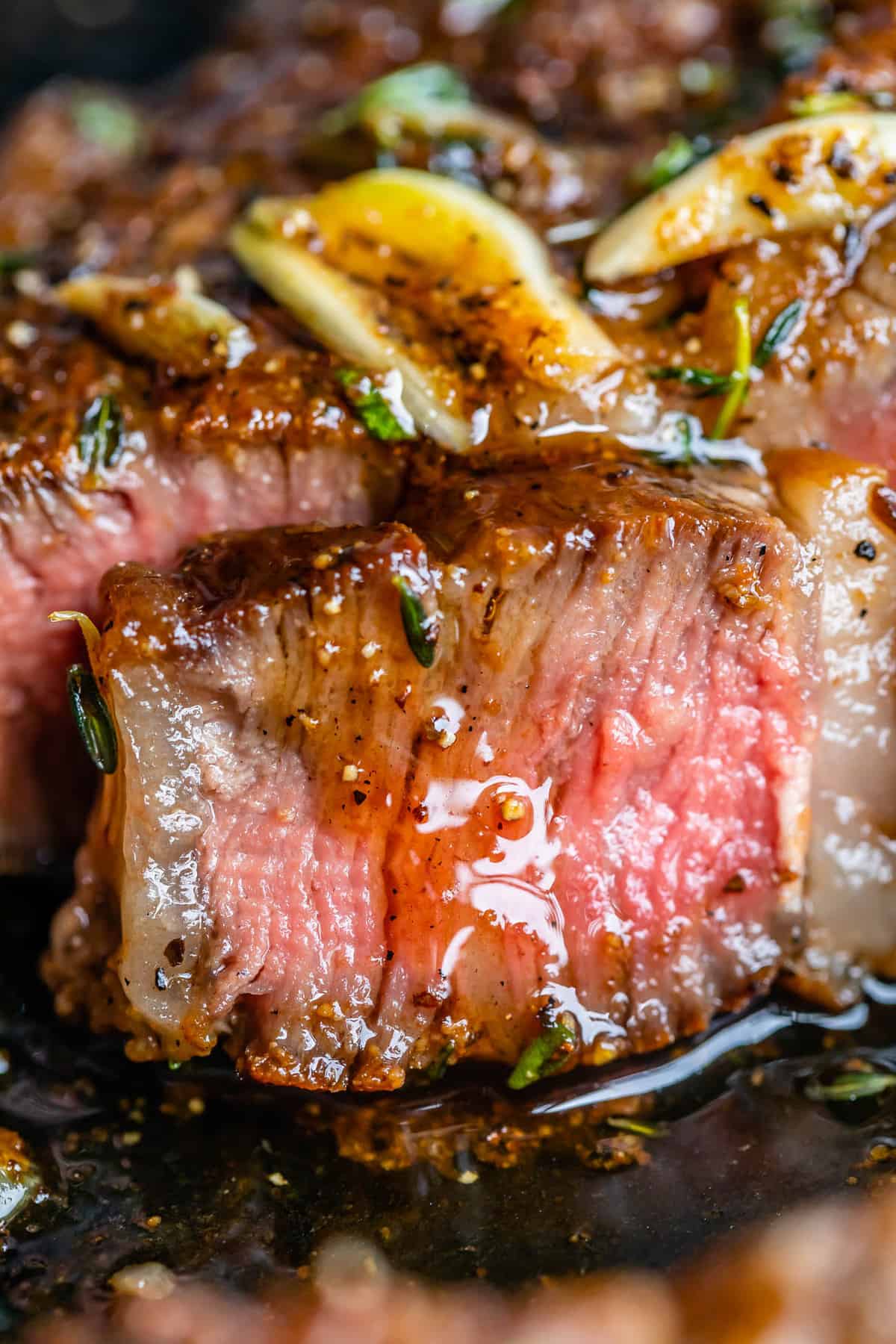
Master Pan-Seared Ribeye: Juicy Steakhouse Quality at Home
Imagine sinking your teeth into a perfectly cooked
Ribeye Steak – a rich, tender interior bursting with flavor, encased in a gloriously golden, caramelized crust. This isn't just a fantasy reserved for high-end steakhouses; it's an achievable reality right in your own kitchen. While premium cuts like the
Ribeye Steak might feel like a splurge, mastering the pan-searing technique ensures you get legendary results every single time, transforming your home dining into an exceptional culinary experience.
Pan-searing is lauded by chefs like Billy Parisi for its ability to deliver a steakhouse-quality finish with minimal effort and simple ingredients. Unlike slower cooking methods that take time to build flavor, the high heat of a skillet instantly initiates the Maillard reaction, creating that coveted browned crust and locking in the natural juices. Once you've perfected this method for your
Ribeye Steak, you'll find it incredibly difficult to settle for anything less than perfection.
Why Ribeye Reigns Supreme for Pan-Searing
The choice of cut is paramount, and the
Ribeye Steak stands out as a true champion for pan-searing. Hailing from the rib section of the cow, this cut is celebrated for its generous marbling – those exquisite streaks of intramuscular fat that weave throughout the meat. This marbling is not just for show; it's the secret weapon that infuses the steak with incredible juiciness and a profound depth of flavor as it renders down during cooking.
The high, direct heat of pan-searing is ideally suited to the ribeye. As the steak hits the hot pan, that beautiful marbling begins to melt, basting the meat from within. This internal self-basting action is what contributes to the ribeye's signature succulence, making every bite undeniably rich and tender. For home cooks looking to recreate that high-end steakhouse experience, choosing a well-marbled
Ribeye Steak is the first and most crucial step towards success. Look for cuts that display consistent white flecks and ribbons of fat distributed evenly throughout the lean muscle. While USDA Choice offers good marbling, if you can find USDA Prime, its superior fat content will elevate your steak to an even higher level of luxury.
Essential Ingredients & Preparation for Your Perfect Ribeye Steak
One of the most appealing aspects of a perfectly pan-seared
Ribeye Steak is its simplicity. The philosophy here is to let the natural, robust flavors of the meat shine, so a handful of high-quality ingredients are all you need:
- The Star: Ribeye Steak: Aim for a boneless ribeye, ideally between 1.25 to 1.5 inches thick and weighing 12 to 16 ounces. This thickness allows for a beautiful crust to form without overcooking the interior.
- Seasonings: Coarse kosher salt and freshly cracked black pepper are your best friends. Season liberally on all sides just before cooking; the salt draws out some moisture initially but then helps create that incredible crust and deepens flavor.
- High Smoke-Point Oil: To achieve that deep, golden-brown sear, you need an oil that can withstand intense heat without breaking down and smoking excessively. Avocado, canola, grapeseed, or vegetable oil are excellent choices. Olive oil, particularly extra virgin, has a lower smoke point and is not recommended for high-heat searing.
- Aromatics: To infuse your Ribeye Steak with an extra layer of gourmet flavor, fresh aromatics are key. A few smashed garlic cloves, a quartered shallot (or half a finely chopped red onion as a substitute), and fresh herbs like thyme, rosemary, or sage leaves will work wonders during the basting process.
- Unsalted Butter: Towards the end of the cooking process, a knob of unsalted butter melts into a rich, fragrant liquid that's perfect for basting. This step adds incredible richness and a luscious mouthfeel to your steak.
Preparation is Key: Before seasoning, always pat your
Ribeye Steak thoroughly dry with paper towels. Excess surface moisture will steam rather than sear, preventing the formation of that desirable crust. Allowing the steak to come to room temperature for 30-60 minutes before cooking can also promote more even cooking, though this step is sometimes debated and less critical than a dry surface.
Mastering the Pan-Searing Technique for a Flawless Ribeye
The actual process of pan-searing a
Ribeye Steak is straightforward, but precision and attention to detail are crucial for optimal results.
1.
Season Generously: Once patted dry, season your ribeye liberally on all sides with kosher salt and freshly cracked black pepper. Don't be shy; much of the seasoning will form part of the crust.
2.
Heat the Pan: Place a heavy-bottomed skillet – ideally cast iron – over high heat. Cast iron excels at retaining and distributing heat evenly, which is essential for a consistent sear. Allow the pan to heat for several minutes until it’s screaming hot, just before you see a wisp of smoke or feel intense heat radiating from it.
3.
Add Oil and Sear: Pour a thin layer of your high smoke-point oil into the hot pan. It should shimmer almost immediately. Carefully place the seasoned
Ribeye Steak into the center of the pan. Reduce the heat slightly to medium-high. Do *not* move the steak for the first 1 to 2 minutes. This initial contact is vital for establishing that crust.
4.
Flip and Continue Searing: After the initial sear, gently move the steak around the pan for another minute, then flip it to the other side. Cook undisturbed for another 1 to 2 minutes to form the second crust.
5.
Basting with Aromatics and Butter: After flipping once or twice and achieving a good sear on both sides, reduce the heat to medium-low. Add the butter, garlic, shallot, and herbs to the pan. As the butter melts, tilt the pan slightly and, using a spoon, continuously baste the melted butter and infused aromatics over the top of the steak. Continue flipping and basting every minute or so, allowing each side to cook evenly and absorb the rich flavors.
6.
Check Doneness: The best way to ensure your
Ribeye Steak is cooked to your preference is with an instant-read meat thermometer. Insert it into the thickest part of the steak, avoiding any bone.
- Rare: 120-125°F (49-52°C)
- Medium-Rare: 130-135°F (54-57°C)
- Medium: 135-140°F (57-60°C)
- Medium-Well: 140-145°F (60-63°C)
Remember, the steak's internal temperature will rise by 5-10 degrees Fahrenheit during resting (carryover cooking). So, remove it from the pan just before it reaches your desired final temperature. For thicker cuts, or if you prefer a very specific internal doneness throughout, consider a
Perfect Ribeye: Sear-to-Oven Method for Tender & Flavorful steak, where you sear for a crust then finish gently in a preheated oven.
7.
Rest Your Steak: This step is non-negotiable! Transfer the cooked
Ribeye Steak to a cutting board and let it rest for at least 5-10 minutes (longer for thicker cuts). Resting allows the muscle fibers to relax and reabsorb the juices that have migrated to the center during cooking. Skipping this step results in a dry, less flavorful steak, as all the delicious juices will simply run out onto your board.
Beyond the Basics: Tips for Ribeye Perfection
*
Even Thickness: Whenever possible, choose a
Ribeye Steak of uniform thickness. This ensures more even cooking. If your steak is thicker on one end, you can try to even it out slightly by pressing down on the thicker part during the initial sear or by placing it in the oven after searing.
*
Don't Overcrowd the Pan: If cooking multiple steaks, work in batches. Overcrowding the pan will lower the temperature, leading to steaming instead of searing, and a less desirable crust.
*
Slicing Against the Grain: Once rested, slice your
Ribeye Steak against the grain (perpendicular to the direction of the muscle fibers). This shortens the fibers, making each bite more tender and easier to chew.
*
Cleanliness and Ventilation: Pan-searing can generate a fair amount of smoke. Ensure good ventilation in your kitchen by turning on your exhaust fan and opening a window if necessary. Clean your skillet thoroughly after each use to maintain its non-stick properties and prevent lingering flavors.
Conclusion
Elevating your home cooking with a perfectly pan-seared
Ribeye Steak is a truly rewarding experience. From selecting a well-marbled cut to mastering the high-heat sear, infusing flavor with aromatics and butter, and critically, allowing your steak to rest, each step contributes to a dish that rivals the finest steakhouses. This method prioritizes the natural excellence of the ribeye, allowing its inherent juiciness and rich flavor to shine through. With these techniques in your culinary arsenal, you're not just cooking steak; you're crafting an unforgettable meal. Go ahead, unleash your inner chef, and
Unlock Ribeye's Best: Simple Steps for a Flavorful, Juicy Steak, proving that gourmet quality is well within reach at home.